Matthew McConaughey, failed football managers and the problem with what works
We're experiencing some of the dynamics churches often hit as they move through roughly 400 people on a Sunday - sometimes called the "400 barrier".
Part of what makes these “barriers” tricky is that moving beyond them requires leaders to do counter-intuitive things.
The intuitive thing is to improve what has already worked. If we're leading worship for 50 people, we improve the quality, grow the band, pitch for a better sound system - and those improvements keep serving us when there are 150. There are loads of things in this category: good things that need to become better things. We gravitate towards these kind of upgrades, and we should.
But the tricky part is: some behaviours / culture that helped us get here don't just fail to help us get to the next stage - they can actively prevent us getting there. Which feels weird. "Why has something I've always done well suddenly stopped being the right thing to do?"
Failed Football Managers
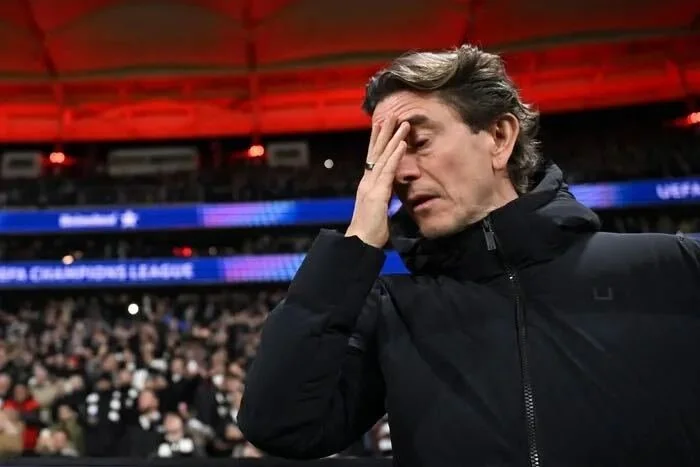
You see this sometimes with football managers. A manager overachieves brilliantly at a smaller club by making them organised, difficult to beat and lethal on the counterattack. He frustrates stronger teams, nicks wins, turns limited resources into excellent results. A bigger club thinks "he's brilliant" and appoints him.
But at the bigger club the task has changed. Opponents sit deep against him. Draws aren't good results. His team is expected to dominate the ball, break teams down, take risks, force wins.
The qualities that got him the bigger job aren't the qualities required to succeed in it. What got him there gets in his way once he's there.
Matthew McConaughey’s Career Step-change
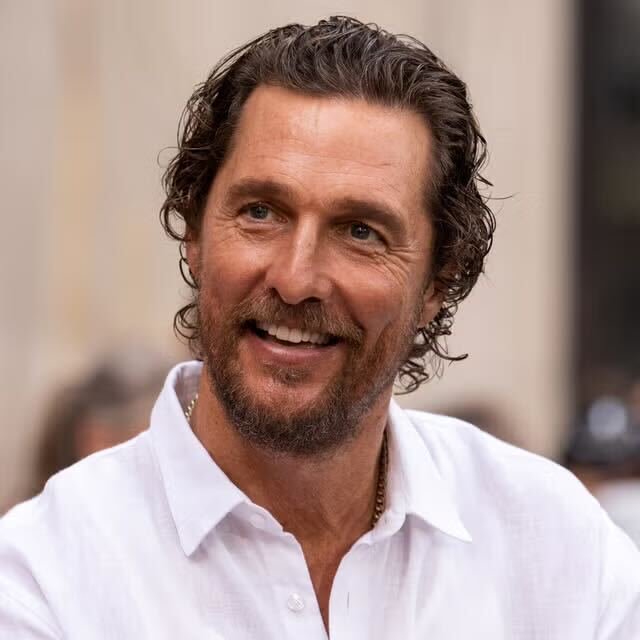
McConaughey reached a point where he was very successful as an actor in romantic comedies - but he wanted to step up. He wanted serious dramatic roles.
By his own account, what he eventually realised was that he couldn't simply add serious acting to the career he already had. He had to stop the rom-coms (what had got him to that point!). He started turning down the lucrative offers that had made him successful, and for a while almost nothing replaced them.
That was painful. But eventually Hollywood stopped thinking of him as the rom-com guy, and Mud, Dallas Buyers Club and True Detective followed - plus an oscar. He had to lay down something that was working to make space for what came next.
And US…
One Croydon Vineyard behaviour that has served us incredibly well is our welcoming, loving, pastoral instinct to include everyone in everything, let everyone know everything, and keep one big loop.
It helped us welcome people, foster strong relationships and see real fruit. It was a good instinct.
But at our current scale, that same instinct produces too much communication, unclear ownership and crowded channels - and newer people finding it harder, not easier, to feel ‘part of something’ and work out what they need to do to step in.
So we're deliberately moving from "let's try to let everyone know everything" to "the right message, to the right people, in the right way, towards the right result."
You should increasingly notice our communication in the BIG getting clearer and simpler - while underneath it, ministries and events build stronger systems for getting the right next steps to the people who actually need them. Spending our limited “comms capital” well, and navigating people’s narrow bandwidths they can receive with.
It’s not us becoming less relational. It's trying to foster better relationships when we’re at a larger scale.
So with future pieces of communication, please resist the instinct to start with “How do I let everyone know?”
Instead, pause and decide:
WHAT am I actually trying to communicate?
WHO genuinely needs to hear it?
HOW is the best way to communicate it to them?
HOW WILL I KNOW that it has landed?
That is the shift we’re trying to make: from “let everyone know everything” to intentional communication designed for a particular result.